

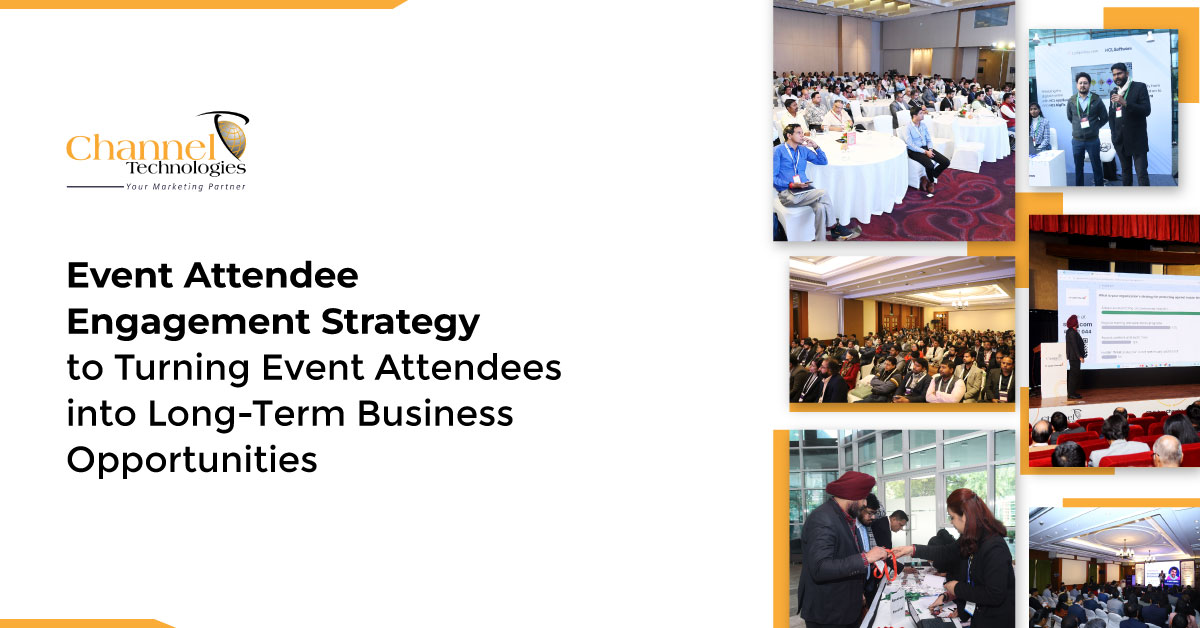
This blog explains how using an event attendee engagement strategy in organizing and handling business events can serve as an invaluable opportunity for businesses to turn event attendees into long-term business opportunities
Who should read it?
This blog will benefit business owners, entrepreneurs, and marketing professionals alike in evaluating and curating a personalized, robust plan for events, and help them in learning how to convert event attendees into customers.
Why is this important knowledge?
With this insight, stakeholders will end up with the best B2B event conversion strategy, maximizing ROI from events and turning event leads into long term clients.
What you can do with this insight?
With this event attendee engagement strategy, you will understand how to turn the congregation of potential clients and partners into actual conversations, meetings, and deals, creating long-term partnerships and loyal relationships.
Turning event attendees into future long-term business opportunities is ultimately one, if not the single most important goal of businesses hosting events.
Face-to-face events give brands, attendees, and stakeholders a real, inductive environment that enables in-person experiences. These experiences reinforce brand identity, and build loyal customers, eventually turning event leads into long term clients.
To ensure the event yields such desirable results, it requires a robust event attendee engagement strategy that demands careful curation and execution, from pre-event engagement to the onsite experience to post-event nurturing. Each step plays as a cork in the system for the ideal outcome.
Event Attendee Engagement Strategy for Long-Term Business Growth
To achieve maximum event marketing ROI, attendee engagement must be planned across each stage of the event journey, right from attracting the relevant audience to nurturing relationships after the event.
Here are 5 event attendee engagement strategies to help businesses achieve this while maximizing ROI from events:
-
Attracting The Right People:
The chances of businesses making the most of brand events start at the very beginning with the correct audience acquisition. This is part of the pre-show alignment, where the business begins by appealing to their attendee personas.
For this, the attendee personas are first defined through their pain points and motivators. What are their problems, and how does the brand solve these issues with its products and services? Once the demographic is clearly defined, such potential-attendees are approached. This ensures targeted outreach, meaning the audience being approached has a high chance of being interested and in need of the products or services that the company provides, making them the ideal future-clients.
This is backed by Gitnux, where 69% of attendees want personalized agenda recommendations, and events that used attendee personas showed 30% higher satisfaction.
-
Streamlining Marketing Campaigns
The right event lead conversion strategy, built around an effective event marketing conversion funnel, helps companies connect with relevant attendees and potential customers.
Therefore, the pre-event marketing campaigns must be focused on building hype around the event, boosting brand visibility, and focusing on the target audience.
To build the hype and brand awareness, the following event attendee engagement strategy can be used:
- Giving exclusive content related to the event topics, keeping the readers engaged, and having them look forward to the event.
- Personalized campaigns where the contents are tailored to the attendees’ specific pain points to appeal to their concerns.
- Presenting actionable activities in the pre-event marketing campaigns. This not only helps in engaging but also motivates the prospects to take the actions that you want them to take.
With a strategic pre-event marketing campaign, you can engage with customers and understand their needs, where the brand’s products and services can come in to fill in those gaps, converting event attendees into long-term business operations.
-
Building Trust and Credibility with Successful Clients
Inviting an existing client for the event is a brilliant way to tell the story of how the client’s pain points were identified, troubleshot and remedied with the company’s input. Having the client to come and speak to the attendees is a real-life success story, which helps build trust and credibility.
Reading and watching curated marketing content is one thing, while hearing it from a previous client, increases it by manifold. According to PCMA, 73% of professionals say they trust what they hear at in-person events more than any email newsletters, peer discussions, or online content.(1)
This ultimately creates the brand credibility, fostering loyal relationships with its audience, and possibly future business ties.
-
Create Value-driven Experiences
Offer the attendees interactions and experiences which genuinely provide value to them. People don’t like to be sold something that they don’t necessarily know they need, but explain to them why they need it and they will willingly invest in it. Providing value-driven experiences is what explains to them why they need it.
-
Post-event Nurturing
Being proactive and following up after the event is just as important, if not more important, than the networking in the event itself. Here’s the post-event follow-up strategy that you can follow to yield more clients and partnerships.
- Sending a fast follow-up within the next 72 hours. A personalized follow-up that asks and discusses their pain points and motivators will motivate a fast connection.
- Inviting the attendees to a low-stakes next step will keep the relationship warm while still moving forward.
- Delivering value first, pitching later helps create awareness of the value that you can offer to potential clients. A short insight, a case study relevant to their industry, a framework, etc helps to show what you offer.
Conclusion
Hence, events are far more than momentary brand touch points; they are powerful gateways to long-term business growth when executed with intent and strategy. By attracting the right audience, delivering targeted and engaging pre-event marketing, leveraging real client success stories, creating meaningful and value-driven experiences, and with post event lead nurturing strategy, businesses can move beyond one-time interactions and build lasting relationships through a well-planned event attendee engagement strategy.
When every stage of the event journey is thoughtfully aligned with attendee needs and brand purpose, events become trust-building platforms that naturally nurture prospects into loyal clients. Ultimately, the true success of an event lies not in attendance numbers alone, but in its ability to convert genuine human connections into sustainable business opportunities.


